Unlock online marketing advantages for small business


Choosing the right online marketing strategy feels overwhelming when you’re running a small business. With limited budgets and countless platforms competing for attention, how do you invest wisely? This guide provides a clear framework to evaluate options, understand key advantages, and select cost-effective channels that deliver measurable results for your 2026 growth goals.
Table of Contents
Key takeaways
Point | Details |
Selection criteria | Evaluate online marketing by cost, targeting precision, measurability, ease of implementation, and integration potential. |
Cost advantages | Online campaigns cost 40-60% less than traditional advertising while delivering superior targeting. |
Measurable ROI | Real-time analytics enable 25% performance improvements through data-driven adjustments. |
Channel synergy | Multi-channel strategies combining SEO, social media, and email boost conversions by 23%. |
Technology edge | AI-driven tools accelerate campaign optimisation by 30%, improving competitive positioning. |
How to evaluate online marketing options for your small business
Selecting effective online marketing requires a systematic approach. Start by defining your budget constraints and expected return on investment. Every dollar matters when resources are tight, so prioritise channels offering proven cost-efficiency and clear performance metrics.
Audience targeting capabilities separate successful campaigns from wasted spend. The best platforms let you reach ideal customers based on demographics, interests, behaviours, and purchase intent. This precision eliminates the scattergun approach of traditional advertising.
Ease of implementation directly impacts your ability to launch and maintain campaigns. Consider your team’s technical skills, available time, and learning curve. Some channels demand constant content creation, whilst others run on autopilot once configured properly.
Measurability transforms guesswork into strategy. Choose platforms providing detailed analytics on impressions, clicks, conversions, and customer lifetime value. Data-driven decisions consistently outperform intuition.
Integration potential amplifies results across your marketing ecosystem. The most effective digital marketing plan connects multiple touchpoints, creating cohesive customer journeys from awareness through purchase and retention.
Pro Tip: Start with one or two channels matching your immediate goals, then expand as you gain confidence and data. Spreading resources too thin undermines effectiveness.
Matching marketing methods to your unique business objectives creates sustainable growth. A local service business prioritises different channels than an e-commerce retailer. Understanding this alignment prevents costly missteps and accelerates your path to profitability through proven marketing strategies.
Top online marketing advantages for small businesses
Online marketing delivers four transformative advantages that level the playing field between small businesses and established competitors.
Precise targeting reaches your ideal customers without waste. Platforms like Google Ads and Facebook allow filtering by age, location, interests, income, and online behaviour. This specificity increases engagement rates over 30% compared to broad traditional campaigns.
Cost-effectiveness changes the game for tight budgets. Online marketing campaigns cost 40-60% less than print, television, and billboard advertising. You can start with daily budgets as low as $5 and scale based on results, not upfront commitments.

Measurable results eliminate uncertainty. Real-time dashboards show exactly which ads drive traffic, leads, and sales. This transparency enables 25% performance improvements through rapid testing and optimisation. You’ll know your return on every dollar invested.
Customer engagement builds lasting relationships. Authentic social media content increases engagement by 40% when brands share genuine stories, behind-the-scenes glimpses, and helpful tips. This emotional connection transforms casual browsers into loyal advocates.
Consider these practical applications:
Search engine marketing captures customers actively seeking your products or services
Social media advertising builds brand awareness among targeted demographic groups
Email campaigns nurture relationships and drive repeat purchases at minimal cost
Content marketing establishes expertise whilst improving organic search rankings
Retargeting ads recapture visitors who left without converting
To maximise these advantages, follow this sequence:
Define your target audience with specific demographic and psychographic details
Select two or three channels matching where your customers spend time online
Create compelling content addressing their pain points and aspirations
Launch small test campaigns to gather performance data
Analyse results and double down on winning combinations
Gradually expand budget allocation to top performers
The benefits of social media marketing extend beyond immediate sales. Consistent engagement builds community, generates valuable customer feedback, and creates organic word-of-mouth promotion.
“Small businesses that embrace data analytics from day one consistently outperform competitors relying on traditional marketing instincts. The numbers don’t lie.”
Tracking your digital marketing ROI provides accountability and justification for continued investment. When you demonstrate clear returns, scaling becomes a logical decision rather than a leap of faith.
Pro Tip: Use UTM parameters and conversion tracking from your first campaign. Historical data becomes invaluable as you refine targeting and messaging over time.
Integrated marketing channels and local reach
Combining multiple online channels creates synergy that individual tactics cannot achieve. Multi-channel campaigns deliver 23% higher conversions by reinforcing messages across customer touchpoints. Someone who sees your Facebook ad, then finds you through Google search, brings higher purchase intent than single-exposure prospects.
Local search engine optimisation drives immediate business impact. Seventy-five percent of local searches result in store visits within 24 hours. When you optimise Google Business Profile listings, local citations, and location-specific content, nearby customers discover you precisely when they need your services.
Effective integration follows this framework:
Develop core messaging that remains consistent across all platforms
Customise content formats to match each channel’s strengths and audience expectations
Create cross-channel journeys guiding prospects from awareness through conversion
Synchronise timing so campaigns launch simultaneously for maximum impact
Track attribution to understand which channels contribute to final conversions
Local targeting becomes essential for brick-and-mortar businesses and service providers. Geo-targeted ads on Facebook and Google reach customers within specific postcodes. This precision eliminates wasted impressions whilst maximising relevance.
Channel | Average Monthly Cost | Reach Potential | Typical ROI | Best Use Case |
SEO | $500-2,000 | High (organic) | 5:1 long-term | Sustained visibility and authority |
Social Media Ads | $300-1,500 | Medium-High | 4:1 | Brand awareness and engagement |
Email Marketing | $50-300 | Medium (list size) | 7:1 | Customer retention and repeat sales |
Search Engine Marketing | $500-3,000 | High (intent-driven) | 6:1 | Immediate lead generation |
Investing in SEO boosts small business growth through compounding returns. Unlike paid advertising that stops when budget runs out, organic rankings continue delivering traffic months and years after initial optimisation work.
Pro Tip: Update your Google Business Profile weekly with posts, photos, and offers. Fresh content signals activity and relevance, improving local search rankings.
The right small business marketing tools automate channel coordination, ensuring consistent messaging whilst saving hours of manual work. Integration platforms connect your website, email system, social accounts, and advertising campaigns into unified workflows.
Leveraging technology to gain a competitive edge
Artificial intelligence transforms how small businesses compete online. AI-driven tools accelerate campaign deployment and optimisation by 30%, enabling rapid response to market changes and customer behaviour shifts. What once required agencies and large budgets now runs through accessible platforms.
Automation eliminates repetitive manual tasks. Email sequences nurture leads whilst you sleep. Chatbots answer common questions instantly. Social media schedulers maintain consistent presence without daily effort. This efficiency lets you focus on strategy and creative work that truly differentiates your brand.
Technology adoption drives several competitive advantages:
Faster testing cycles reveal winning messages and offers within days, not months
Predictive analytics identify high-value prospects before competitors reach them
Personalisation engines customise content for individual preferences at scale
Automated reporting tracks performance across channels in unified dashboards
Dynamic pricing adjusts offers based on demand and competitive positioning
Accessible tools suited for small business budgets include:
HubSpot for integrated marketing automation and customer relationship management
Mailchimp for email campaigns with built-in analytics and segmentation
Hootsuite for social media scheduling and performance monitoring
SEMrush for competitive research and SEO optimisation
Google Analytics 4 for comprehensive website and campaign tracking
These platforms offer free or low-cost tiers perfect for testing before scaling investment. The essential marketing tools you choose should integrate seamlessly, creating a connected technology stack.
“Small businesses that embrace marketing technology early gain agility advantages over larger competitors constrained by legacy systems and bureaucracy. Speed wins in digital markets.”
Rapid adaptation separates thriving businesses from struggling ones. When algorithm changes affect organic reach, automated systems flag the impact immediately. You can adjust strategy within hours whilst competitors scramble to understand what happened.
Pro Tip: Start with one automation tool, master it completely, then add complementary systems. Partial implementation across multiple platforms creates confusion without delivering efficiency gains.
Summary comparison and situational recommendations
Choosing optimal channels depends on your specific business context. This comparison helps match tactics to goals.
Strategy | Best For | Budget Range | Speed to Results | Maintenance Level |
Social Media Ads | Brand awareness, engagement | $300-1,500/month | Fast (days) | Medium (ongoing content) |
Search Engine Marketing | Immediate sales, high intent | $500-3,000/month | Very fast (hours) | Low (monitoring only) |
Email Marketing | Customer retention, repeat sales | $50-300/month | Medium (weeks) | Low (automated sequences) |
SEO | Long-term visibility, authority | $500-2,000/month | Slow (months) | Medium (regular optimisation) |
Content Marketing | Thought leadership, organic growth | $200-1,000/month | Slow (months) | High (consistent creation) |
Situational recommendations guide strategic selection:
Limited initial budget ($500 or less): Start with email marketing and organic social media to build audience before paid campaigns
Need immediate sales: Prioritise search engine marketing targeting high-intent keywords with commercial buying signals
Building long-term asset: Invest heavily in SEO and content marketing for compounding returns over 12-24 months
Local service business: Combine local SEO optimisation with geo-targeted Facebook ads within 15-kilometre radius
E-commerce retailer: Focus on Google Shopping ads and retargeting campaigns to recapture cart abandoners
B2B service provider: LinkedIn advertising plus email nurture sequences convert professional decision-makers
Align your selections with these proven marketing strategies that maximise impact within resource constraints. The most successful small businesses master two or three channels before expanding.
Your digital marketing plan should sequence investments logically. Quick-win tactics fund longer-term strategies. Paid advertising generates immediate cash flow whilst SEO builds sustainable organic traffic.
Pro Tip: Review channel performance monthly and reallocate 20% of budget from underperformers to top contributors. This dynamic approach prevents stagnation.
Discover expert help to unlock your online marketing potential
Navigating online marketing choices becomes simpler with expert guidance. M50 Media specialises in helping small businesses maximise digital marketing impact through personalised coaching programmes tailored to your specific goals and constraints.
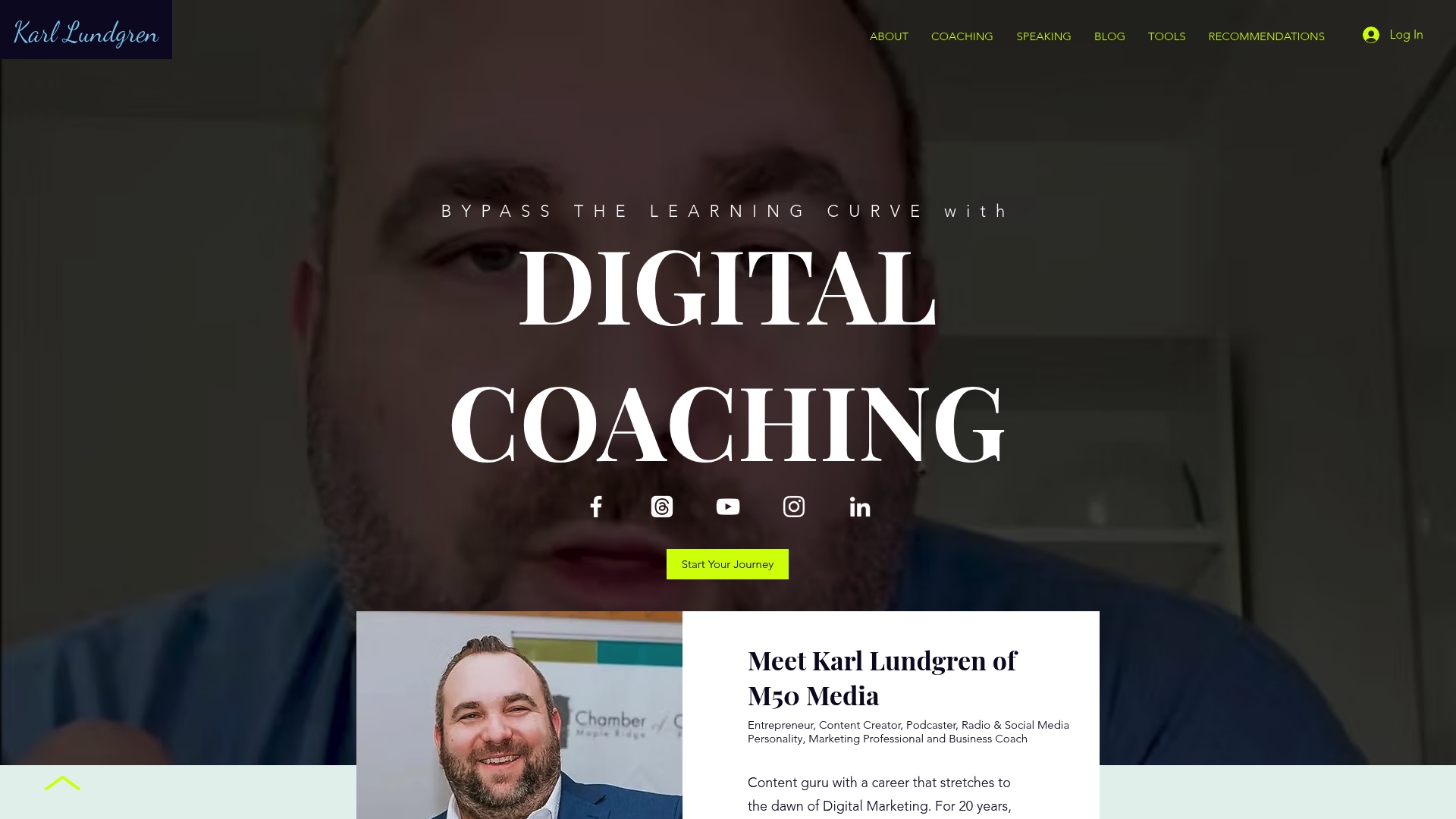
Our digital coaching services provide hands-on support for strategy development, channel selection, and campaign optimisation. Karl Lundgren brings proven expertise helping businesses like yours achieve measurable growth through smart online marketing investments.
Start with a complimentary Marketing SOS call to assess your current situation and identify immediate opportunities. We’ll review your goals, analyse your competitive landscape, and recommend specific tactics delivering the fastest returns for your unique circumstances.
Frequently asked questions
What are the biggest advantages of online marketing for small businesses?
Online marketing provides cost-effective reach, precise audience targeting, measurable ROI tracking, and enhanced customer engagement opportunities. These advantages enable small businesses to compete effectively against larger competitors with substantially smaller budgets.
How can small businesses choose the right online marketing strategy?
Assess your available budget, define specific business goals, and research where your target customers spend time online. Select channels offering proven cost-effectiveness and comprehensive tracking capabilities aligned with your needs. A well-structured digital marketing plan guides systematic channel selection and budget allocation.
What budget is needed for effective online marketing?
Effective campaigns start with daily budgets as low as $5 on platforms like Facebook and Google Ads. Online advertising costs 40-60% less than traditional marketing methods, making professional-quality campaigns accessible to businesses with limited resources.
Which online marketing channels offer the best ROI?
Email marketing typically delivers the highest ROI at 7:1, followed by search engine marketing at 6:1 for businesses needing immediate results. SEO provides strong long-term returns of 5:1 that compound over time. Social media excels at engagement and brand building with 4:1 returns and low initial investment requirements.
Recommended
Comments